
Last updated November 2, 2026
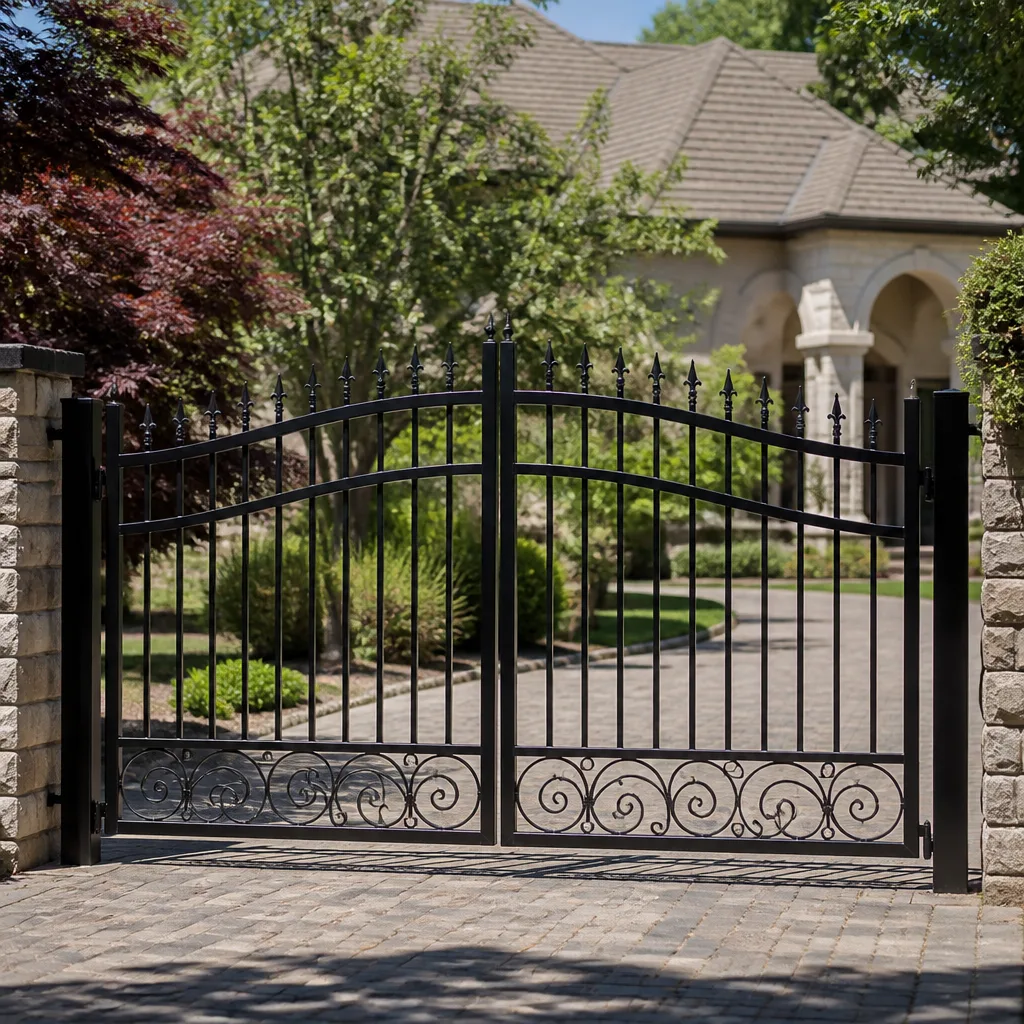 Wrought iron
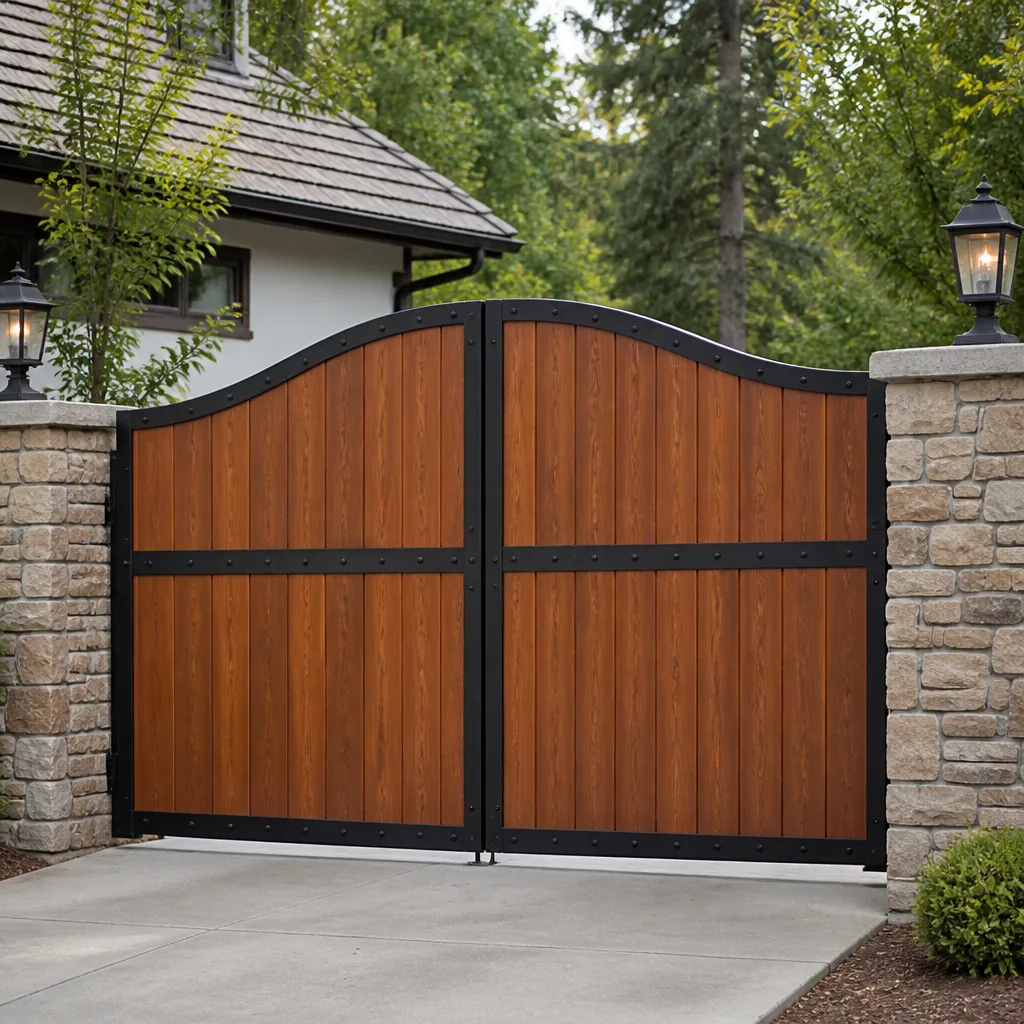 Wood & steel frame
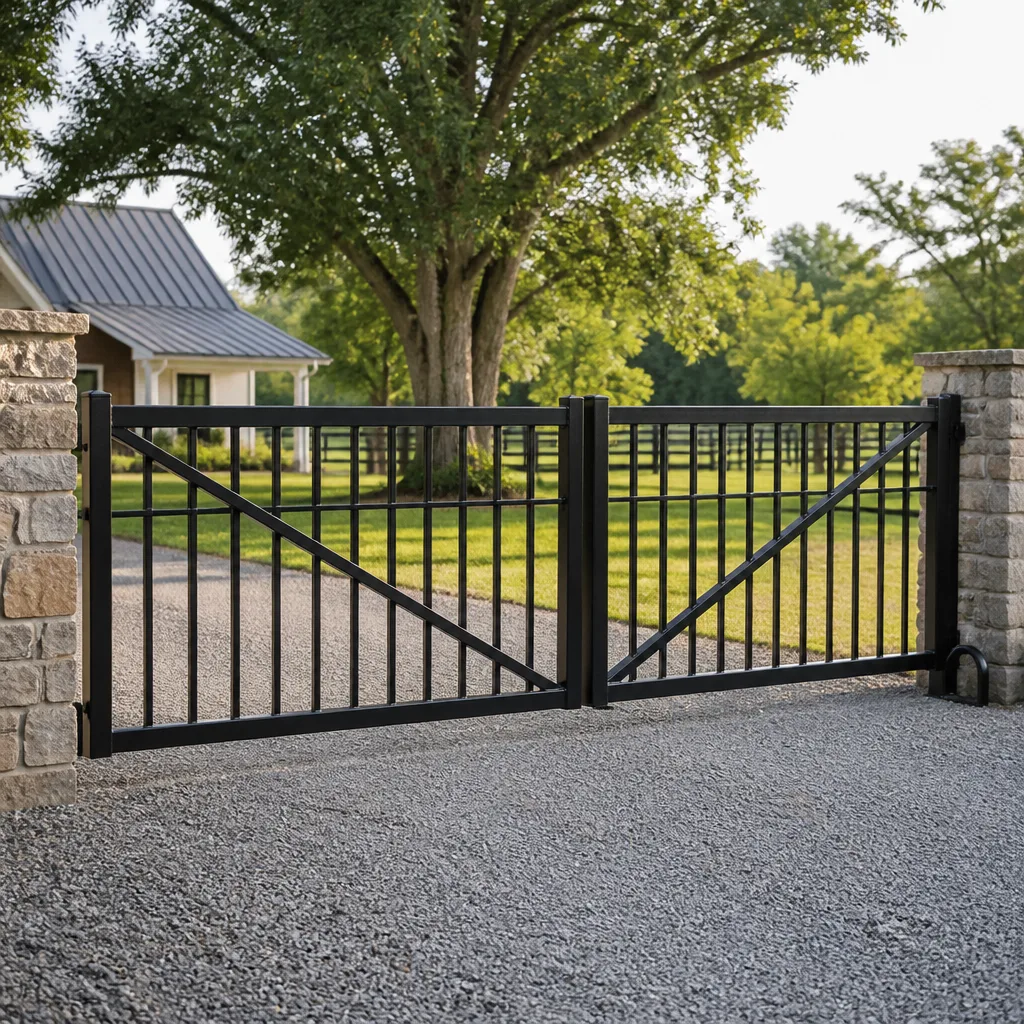 Farm & ranch
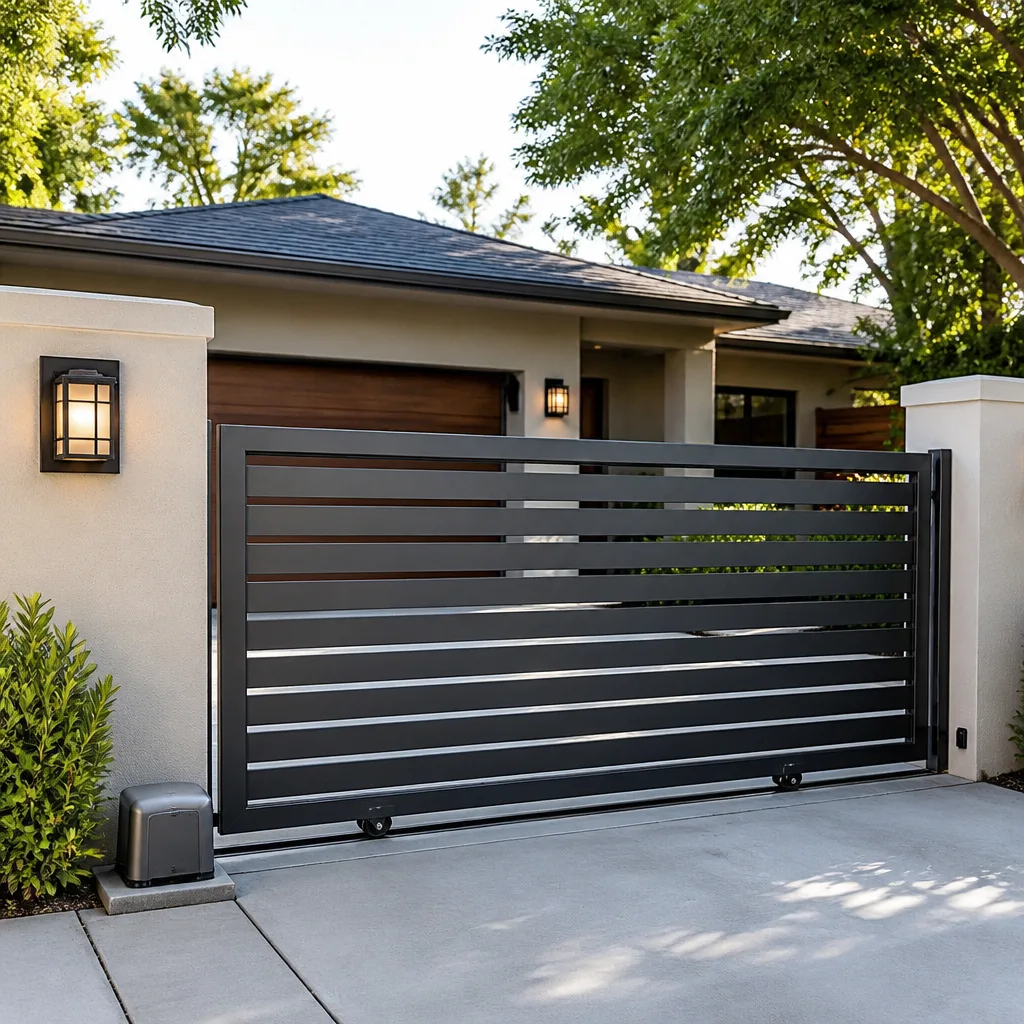 Sliding driveway gates
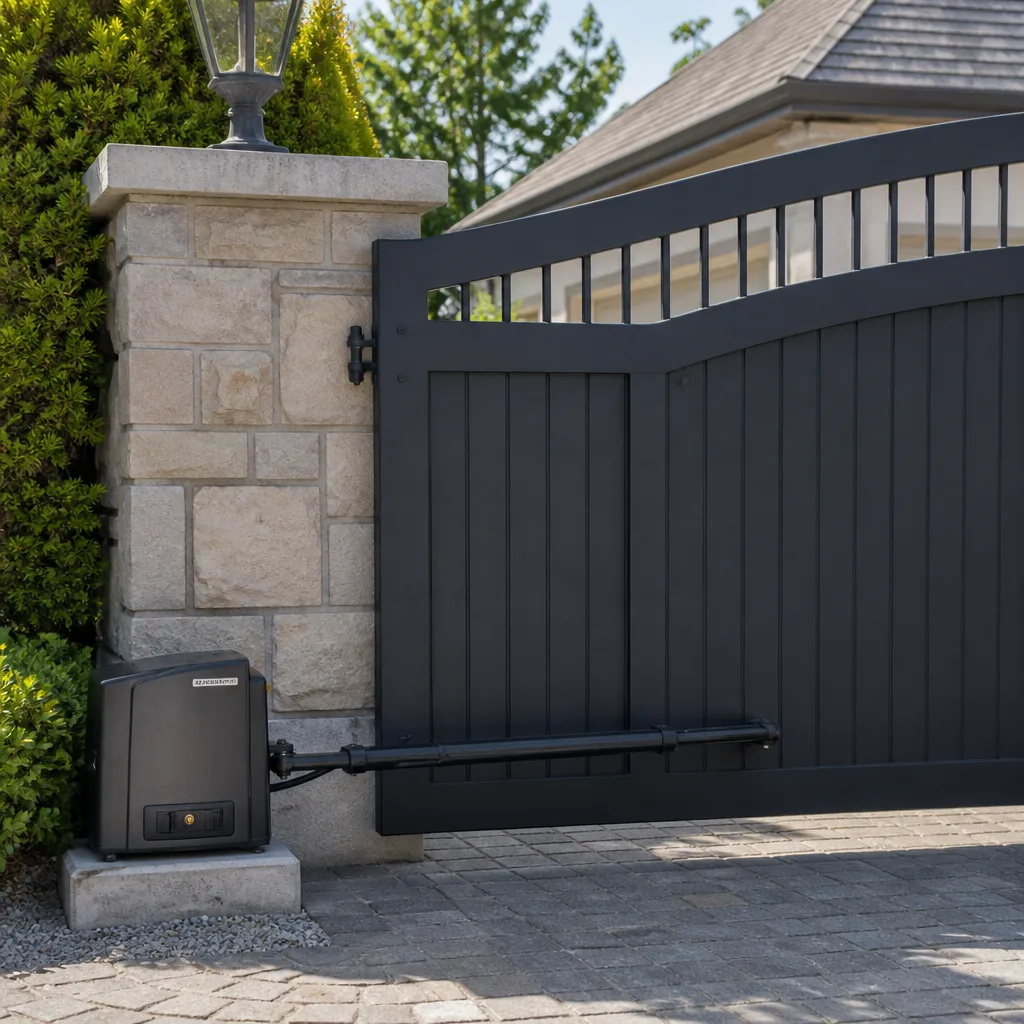 LiftMaster operators
Free on-site gate assessment - hinges, posts, and your LiftMaster or Nice gate operator checked before anything is quoted
The assessment is free and the quote is the invoice.
Get your free estimateGate Repair Permits, Codes & Inspections in CA: What You Need to Know
California’s UL 325 entrapment safety standard isn’t just a product spec. It’s a liability standard, and if your gate injures someone after an unpermitted repair that bypassed a required safety edge inspection, your insurance carrier has a documented reason to deny the claim. Most Escondido property owners don’t learn this until a claim is already on the table. This guide walks through which gate repairs actually trigger permits in California, how UL 325 inspections work, what Escondido’s building department expects, and how to fix compliance gaps before they become expensive. For hands-on help, see our Gate Repair services. You’ll come away knowing exactly what your gate needs and what you can safely handle without filing anything.
Quick Answer
In California, most like-for-like gate repairs, such as replacing a hinge, rewiring a keypad, or swapping a failed control board, don’t require a building permit. But work that changes the gate’s footprint, height, weight, or safety system, including replacing an operator on an existing automated gate, can trigger permit and inspection requirements under the California Building Code and UL 325. In Escondido, the trigger points are specific: a new gate over 7 feet tall, a new footing, a changed driveway approach, or any operator replacement that alters the entrapment protection system. When in doubt, call Escondido’s Building Division before you start, because fixing an unpermitted gate after the fact costs more than the permit ever would.
Styles & brands we work with
- Wrought iron
- Wood & steel frame
- Farm & ranch
- Sliding driveway gates
- LiftMaster operators
Table of Contents
- Which Gate Repairs Actually Trigger a Permit in California
- Escondido-Specific Permit Thresholds and Local Code
- UL 325 Entrapment Protection: What the Standard Actually Requires
- HOA Architectural Review vs. City Permits in Escondido
- When a Previous Owner’s Unpermitted Gate Work Shows Up at Closing
- California Fire Code: Emergency Responder Override Requirements
- A Practical Pre-Inspection Checklist for Escondido Property Owners
- Common Mistakes to Avoid
- When to Call a Professional
- Frequently Asked Questions
Which Gate Repairs Actually Trigger a Permit in California
California uses the California Building Code, specifically Chapter 1, which adopts the International Building Code with state amendments. For gates, the permit trigger is about scope, not whether the gate is residential or commercial. A permit is generally required when you’re changing the structure, the safety system, or the power supply. That’s where most people trip. They assume that because the gate post stayed in the same spot, nothing changed. But swapping an operator on a swing gate can change the entrapment zone geometry, and that’s a code review item.
Here’s the practical breakdown we’ve developed from working on gates across Escondido, including newer master-planned communities and older semi-rural lots east of the 15:
- Like-for-like hardware replacement: No permit. This means replacing a hinge, a wheel on a slide gate, a keypad, a remote receiver, or a photo eye with an identical part. The safety system remains unchanged, so the city has no interest.
- Swapping an operator with the same model: No permit, but the work should still comply with UL 325 entrapment protection. If the original installation was compliant and you’re not moving sensors, you’re fine.
- Replacing an operator with a different model or brand: Permit typically required. The new operator may have a different opening speed, a different force profile, or a different required entrapment protection layout. The city needs to verify the final installation meets current code, not the code from when the original operator was installed.
- Structural changes to the gate itself: Permit required. This includes changing the gate’s height, weight, or material, or adding a pedestrian gate alongside a vehicle gate on a new footing.
- New footings or post replacement: Permit required. Any concrete work that anchors a gate post or operator pad is a structural item.
- Modifying the driveway approach or setback: Permit required. Changing the gate’s location in relation to the property line, sidewalk, or roadway affects fire access and right-of-way clearances.
One nuance people miss: California also treats automated gates as “automatic vehicular gates” under UL 325, which is a product standard adopted into state law. That means even a repair that doesn’t require a city permit must still produce a gate that meets UL 325. An unpermitted, non-compliant repair doesn’t just fail inspection, it fails the liability test after an injury. Insurance adjusters know this. We’ve seen the denial letters.
Escondido-Specific Permit Thresholds and Local Code
Escondido operates under the California Building Standards Code, but the city adds its own zoning and development standards. The Escondido Building Division is on Valley Parkway, and their inspectors are generally practical, but they’ll hold a gate to the same standard as any other structure on the property. Here are the specific triggers we’ve seen enforced in Escondido:
- Fence and gate height over 7 feet: Permit and often a variance, depending on zoning. Many Escondido neighborhoods, including the Hidden Trails area and parts of southwest Escondido, have HOA height limits that are stricter than city code. City code is the floor, not the ceiling.
- New automated gate on an existing driveway: Permit for the electrical work and the operator installation. The city wants to see the operator’s UL 325 compliance documentation, the location of the primary and secondary entrapment protection devices, and the electrical disconnect within sight of the operator.
- Replacing an existing automated gate in kind: Usually no permit if the footprint, height, weight, and operator model are unchanged. This is the one we most often clarify for property managers in Escondido who have older DoorKing or LiftMaster swing operators on multi-tenant properties.
- Adding a pedestrian gate alongside a driveway gate: Permit required. The pedestrian gate becomes its own structure with its own footing and its own setback from the property line.
- Changing from a swing gate to a slide gate: Permit required. Slide gates have entirely different track, footing, and entrapment zone requirements. The city will want engineered plans if the gate is long or tall.
One thing specific to Escondido: the city enforces a 24-inch clear zone from the edge of the driveway to the gate post. This isn’t just a convenience issue. It affects how a fire engine can approach the property. If your gate post sits too close to the driveway edge, and you’re doing any permitted work on the gate, the city may require you to move the post, which becomes an engineered fix rather than a simple swap. We’ve had to resolve this on several properties in the Old Escondido neighborhood, where lot lines are tight and driveways were built before modern fire code.
UL 325 Entrapment Protection: What the Standard Actually Requires
UL 325 is the product safety standard that governs automatic gates in the United States, and California has incorporated it into law. The standard exists because automatic gates have killed people, mostly children. The standard’s core requirement is that a gate must not apply more than a specific amount of force to a person or object, and it must reverse or stop when it encounters an obstruction. Here’s what that means in practice.
Every automated gate needs at least two independent entrapment protection devices. One is usually the operator’s built-in current sensing, which detects resistance from the motor. The other is a secondary device: a photo eye, a reversing edge, or both, depending on the gate’s configuration. A swing gate can often get by with a monitored reversing edge. A slide gate typically requires photo eyes across the gate’s path and a reversing edge on the leading and trailing posts.
The key detail most property owners miss is that UL 325 requires these devices to be monitored, not just present. A monitored device sends a signal back to the control board, and if the device fails or is removed, the operator refuses to run. An unmonitored device, which was common on older installs, is silent when it fails. The gate keeps operating with no entrapment protection at all. Many of the older Mighty Mule and Elite operators we see in Escondido have unmonitored photo eyes from the original install. They work, but they’re not code compliant for a new install in 2026.
Verifying your existing system means checking three things:
- Count the entrapment devices. There should be at least two distinct types. One operator with current sensing and nothing else is not compliant.
- Check for monitoring. Unplug one photo eye or disconnect one edge sensor. The gate should refuse to close. If it closes anyway, the system isn’t monitored.
- Test the force profile. Close the gate on a solid object that won’t be damaged. The gate should reverse before applying dangerous force. If it pushes the object several feet before reversing, the force setting is too high and the gate is out of compliance.
We don’t recommend that homeowners adjust force settings themselves, especially on older LiftMaster operators with mechanical limit switches. Getting the force profile right without distorting the limit settings is a calibration job, and doing it wrong creates a gate that either won’t close fully or closes with too much force. On a commercial gate in an Escondido business park, the liability exposure from a misadjusted force profile is significant.
HOA Architectural Review vs. City Permits in Escondido
Escondido has a significant number of master-planned communities with their own architectural review committees. Hidden Trails, Rancho San Pasqual, and the communities around Dixon Lake all have design standards that run parallel to city code. Property owners often assume that HOA approval covers the legal requirement. It doesn’t, and city approval doesn’t cover the HOA.
These are two separate approval chains that must run concurrently. The city approval process is about safety, structural soundness, and code compliance. The HOA review is about aesthetics, material consistency, and community character. You can pass a city inspection and still be in violation of your HOA’s CC&Rs, which can result in fines, liens, or a forced review process. In a resale situation, an open HOA violation is a title issue.
The order matters less than the completeness. You need both approvals before starting a gate project that changes the gate’s appearance, material, or footprint. For a like-for-like repair that doesn’t change anything visible, HOA review is usually not triggered. But if you’re replacing a wrought iron gate with an aluminum panel, or changing a wood gate to a metal one, the HOA will want to review it even if the city doesn’t require a permit.
One pattern we see with property managers in Escondido’s multi-family communities: they handle the city permit sequence themselves, but assume the HOA or community management association is handling the architectural review. Then a board member notices the new gate doesn’t match the approved material palette, and the manager is stuck with a completed project that needs to be redone. Run both approvals from the start. Document everything. The minute you get the HOA’s written approval, file it with the property records.
California Fire Code: Emergency Responder Override Requirements
California Fire Code Chapter 5 includes specific requirements for gates that block emergency access to residential and multi-family properties. The practical effect is that a fire engine needs to get through your gate in under 30 seconds without any special tools. That rule applies to every gate, even a driveway gate on a single-family home.
For single-family residential gates, the city typically accepts a Knox key switch or a similar lockbox override that the fire department can open with their standard key. In Escondido, the fire marshal’s office inspects these on new construction and can require them on existing properties if the gate becomes part of a permitted project. If you’re getting a permit for an operator replacement, the inspector may ask about fire access as part of the final walkthrough.
For multi-family and commercial properties, the requirements are stricter. Gates serving more than a certain number of units must have an automatic override that’s triggered by either a strobe light or a siren sensor. The gate must open automatically when the fire department arrives with lights running, not just when they get out and use a key switch. The override system needs its own power source or battery backup so it works during a power outage.
Here’s where we see the biggest compliance gap in Escondido: older multi-family communities with gates installed in the 1990s or early 2000s. Those gates often have a manual key switch but no automatic strobe response. They passed inspection at the time, but the current fire code has moved. If the property does a major gate upgrade or a full operator replacement, the city will require that the fire access system be brought current, which adds cost and sometimes requires a separate low-voltage contractor for the strobe integration. The fire marshal won’t accept a gate that only opens on manual command, and they shouldn’t.
For a property manager, the smart move is to ask the gate contractor whether the existing fire override meets the current edition of the California Fire Code, not whether it met the edition in effect when the gate was installed. That’s a different question, and the answer is often the thing that turns a $3,000 operator replacement into an $8,000 project with the fire access upgrade included.
When a Previous Owner’s Unpermitted Gate Work Shows Up at Closing
Unpermitted gate work rarely surfaces on its own. What surfaces it is a home sale, a refinance, or an insurance claim. In a sale, the buyer’s inspector or the appraiser may flag a gate that doesn’t match the county assessor’s records, or the title company may find no permit for a gate that clearly wasn’t original. At that point, the seller has a problem.
The sequence is predictable. The buyer’s lender conditions the loan on the gate being permitted or removed, or the buyer asks for a credit and the seller eats the cost at closing. If the gate involved electrical work, the situation is worse because an unpermitted electrical connection can affect the property’s insurability. This happens enough in Escondido that we’ve gotten calls from sellers and buyers both, usually with a deadline attached.
Remediation is possible and usually faster than people expect. The path is to file for a permit retroactively, which in Escondido means going through the same plan review and inspection process as a new installation. If the gate is structurally sound and the electrical work is done properly, the retroactive permit is issued after inspection. If the work isn’t sound, the retroactive permit becomes a repair project first and a permit second. We tell sellers to address it before listing, when they’re not under a closing deadline, because a one-week inspection backlog feels very different when there’s a 30-day escrow clock running.
The thing to understand is that California doesn’t have a grandfather clause that lets unpermitted work slide just because it’s old. The building code applies to the condition as it exists today. If the gate is unsafe, no amount of time passing makes it safe. And if the safety issue traces back to an unpermitted repair, the liability story gets harder to tell, not easier.
A Practical Pre-Inspection Checklist for Escondido Property Owners
If you’re about to have a city inspector look at your gate, or you’re just trying to figure out whether your existing gate is compliant, here’s the checklist we use when we’re brought in to assess a property before a permit application or a sale. For deeper troubleshooting steps, see our Gate Repair Troubleshooting: Common Problems and How to Fix Them. It’s thorough enough to catch the issues inspectors flag most often.
- Permit pull history. Check Escondido’s online permit portal for any open or closed permits tied to the gate. If the gate is automated and there’s no electrical permit on record, that’s the first thing to resolve.
- UL 325 entrapment device count. At least two independent devices. If there’s only one, the gate is not compliant.
- Photo eye monitoring test. Disconnect one photo eye and confirm the gate refuses to close. If it closes anyway, the photo eyes are unmonitored and the system is out of compliance.
- Reversing edge condition. Run your hand along the full length of the edge. Any cuts, crushing, or gaps mean the edge is compromised and should be replaced before inspection.
- Force profile check. The gate should reverse with minimal force on an obstruction. If it pushes hard, the force setting needs calibration.
- Fire access override. Confirm the gate has a Knox switch or an equivalent mechanism that the fire department can use. On multi-family properties, check for automatic strobe response.
- Driveway clearance. Escondido requires a 24-inch clear zone from driveway edge to gate post. Measure it before the inspector does.
- Warning signage. UL 325 requires that every automated gate have warning signs posted on both sides. Missing signs are a common inspection fail and a cheap fix.
Common Mistakes to Avoid
- Assuming a like-for-like operator swap is “just a swap.” If the new operator model has a different force profile or a different entrapment protection layout, it’s a new installation in the city’s eyes. Check before you buy.
- Treating HOA approval as a substitute for a city permit. They’re separate processes. Having one doesn’t waive the other, and finding out at the final inspection that the HOA never reviewed the design is an expensive delay.
- Ignoring the fire access requirement on a residential gate. The fire department doesn’t need a warrant to open your gate in an emergency, but they do need a way through. No Knox switch means they go through the gate, and you pay for the damage out of pocket.
- Letting an unpermitted gate ride until the listing goes live. The retroactive permit process has the same inspection backlog as everything else. Fix it before the open house, not after the offer.
- Replacing only the operator and not the entrapment devices. An old unmonitored photo eye connected to a new operator is still out of compliance. The new operator doesn’t fix the old safety device.
- Skipping the force profile calibration because “the gate was working fine.” A gate that closes hard on a child’s bike is a UL 325 violation whether or not it ever actually injures anyone. Calibrate it.
- Buying a gate from a big-box store and installing it without checking municipal code. Big-box gates are often not UL 325 compliant for automated use and may not meet Escondido’s height or setback rules. The savings vanish the first time an inspector or an insurance adjuster looks at the install.
When to Call a Professional
Some gate work is genuinely a homeowner job: oiling hinges, adjusting a mechanical latch, replacing a battery in a wireless keypad. Most of the compliance work isn’t. If your gate has an operator, a control board, or a safety loop, the margin for error is thin, and the consequences of guessing wrong include a failed inspection, a denied insurance claim, or a gate that closes on someone. Electric gate repair requires trained hands and specific diagnostic equipment, not a multimeter and a YouTube video. If you’re facing a permit sequence, a retroactive permit, or a fire access upgrade, get someone who has done it in Escondido before. Gate Repair Escondido offers free estimates in Escondido, and we’ll tell you honestly whether your project needs a permit, an inspection, or just a repair. Call (833) 630-4122 and we’ll walk you through it.
Frequently Asked Questions
In California, replacing a failed gate operator with an identical model on an already-permitted gate typically doesn’t require a new permit, but replacing it with a different model or brand does, because the entrapment protection system may change. Gate repair in Escondido starts with a permit check so you don’t surface a compliance issue later. Call (833) 630-4122 for an exact answer on your specific gate.
UL 325 is the federal safety standard for automatic gates that California has adopted into state law, and it applies to residential driveway gates exactly as it applies to commercial gates. The standard requires at least two independent entrapment protection devices, each of which must be monitored so the gate fails closed rather than risking an entrapment injury.
Yes, the city can require that an unpermitted gate be brought into compliance through a retroactive permit, especially if the gate is part of a current project or a home sale, and the process is the same as a new permit application. We help sellers remediate these before listing, which is always cheaper than resolving them under a closing deadline.
HOA approval is typically only required for changes to the gate’s appearance, material, or footprint, not for like-for-like repairs that don’t change anything visible, but city permits and HOA reviews are separate processes and both must be completed when triggered. In Escondido master-planned communities, we’ve seen property managers get caught assuming one approval covered both.
California Fire Code requires that emergency responders be able to open a driveway gate in under 30 seconds, which is why most Escondido residential gates need a Knox key switch or equivalent override, and multi-family gates often need an automatic strobe response. If you’re permitting new gate work, the fire marshal will check this at the final inspection.
Your homeowner’s insurance carrier has a documented basis to deny the claim, because the unpermitted repair bypassed the UL 325 safety inspection that a permitted repair would have required, and the carrier will treat that as a material failure to maintain the property. That’s the liability trap this guide exists to help you avoid. Gate installation in Escondido done properly includes the permits so you never land in that position.
The Bottom Line
California gate permits aren’t bureaucracy for its own sake. They’re the legal mechanism that verifies your gate won’t hurt someone and won’t block a fire engine, and they’re the thing that stands between you and a denied insurance claim when something goes wrong. In Escondido, the rules are specific: like-for-like repairs usually skip the permit, structural changes and operator swaps usually don’t, and HOA review runs parallel to the city process every time. The cheapest time to fix a compliance problem is before it becomes a sale contingency or a claim denial. Gate Repair in Escondido handles the full permit sequence for you, from plan review to final inspection, on every brand we service.
Written by the team at Gate Repair Escondido, serving Escondido since 2018. Explore more guides & resources on gate safety and compliance.
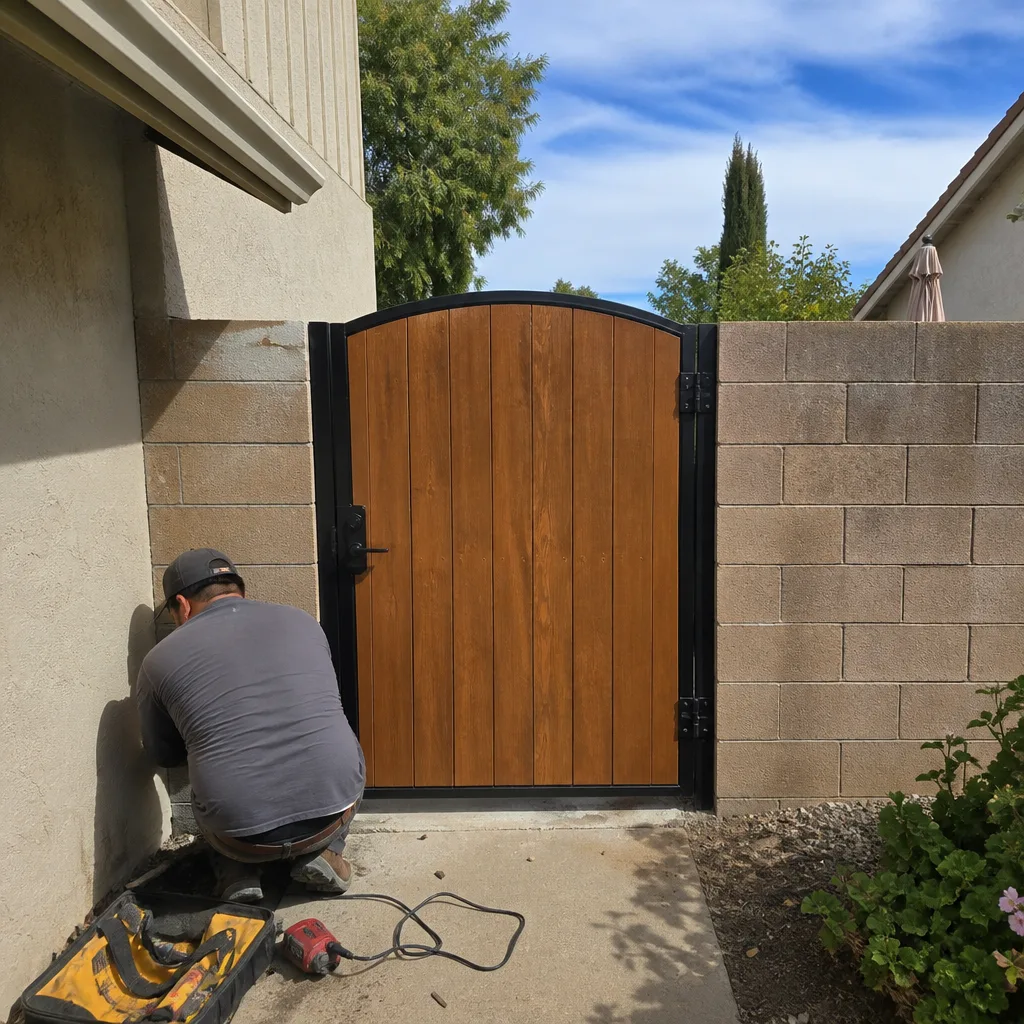
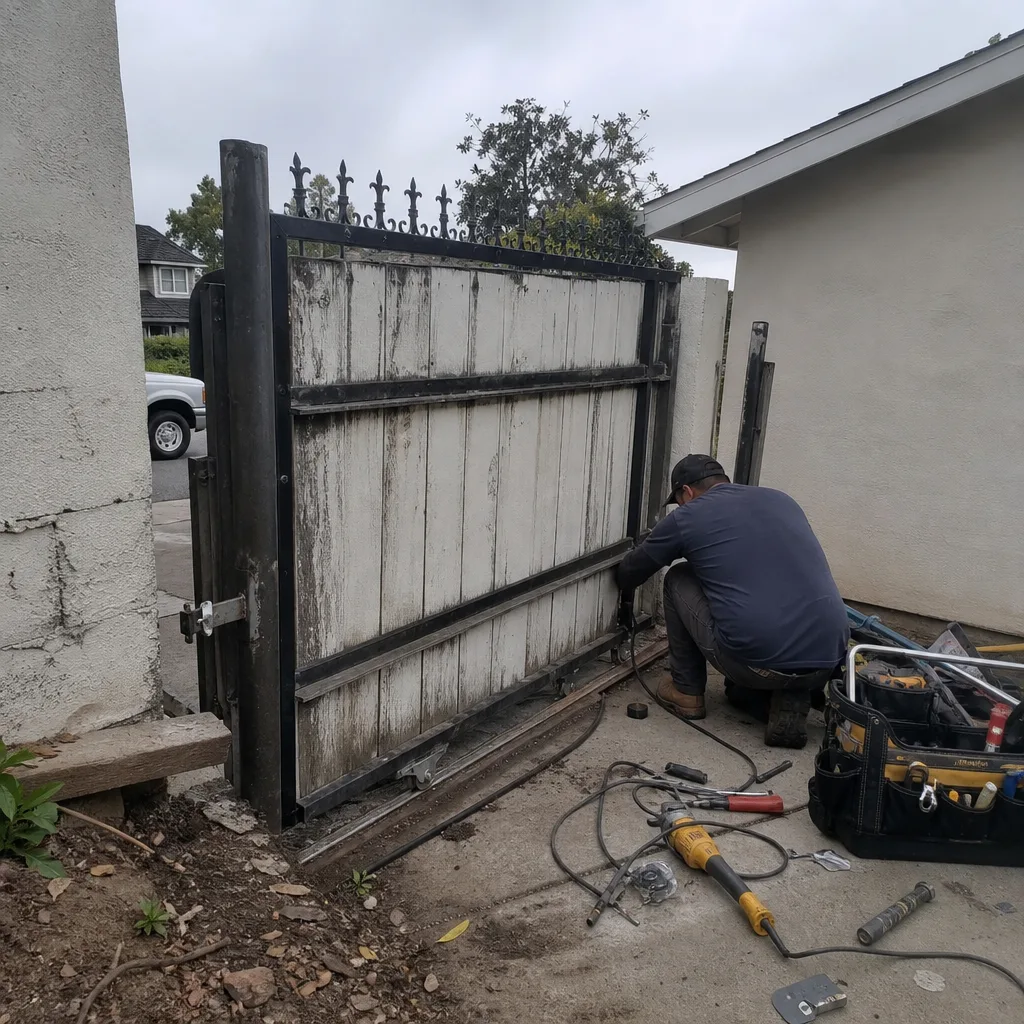
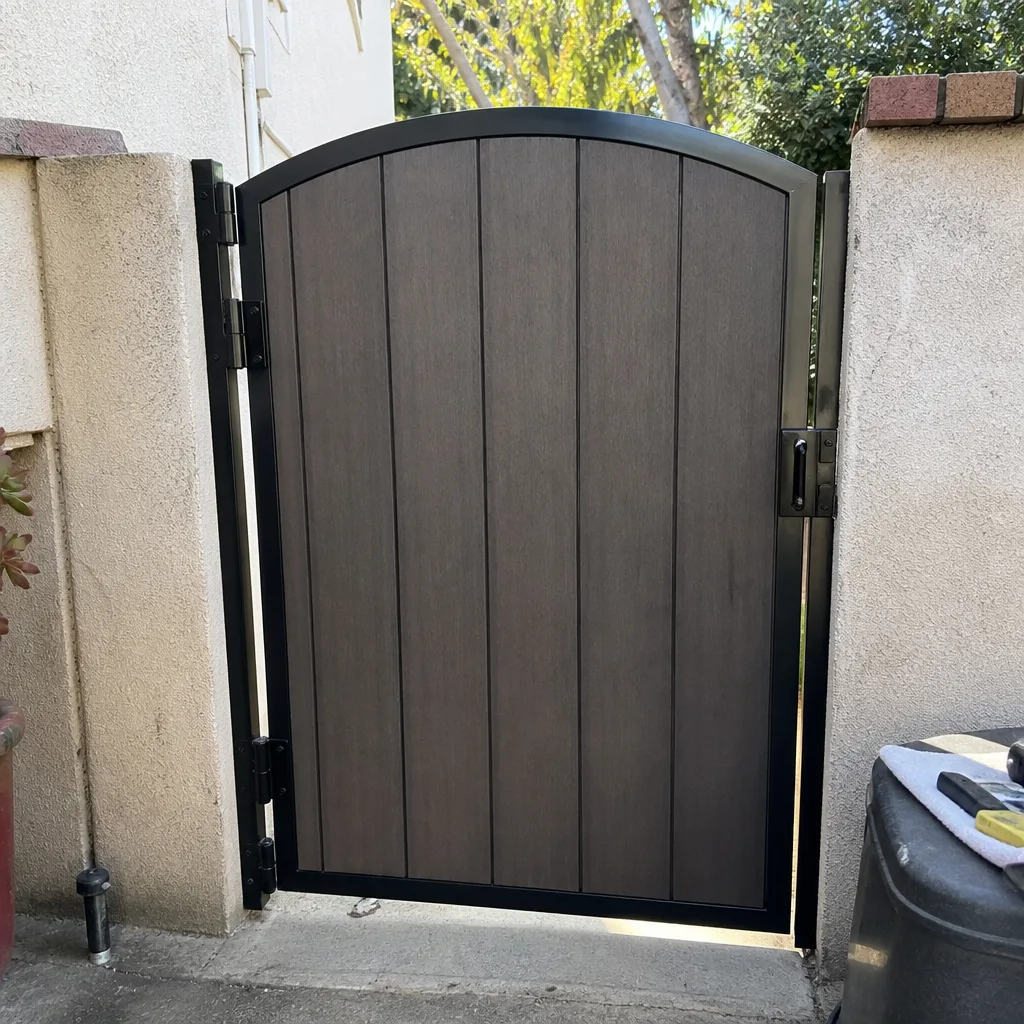
See the difference
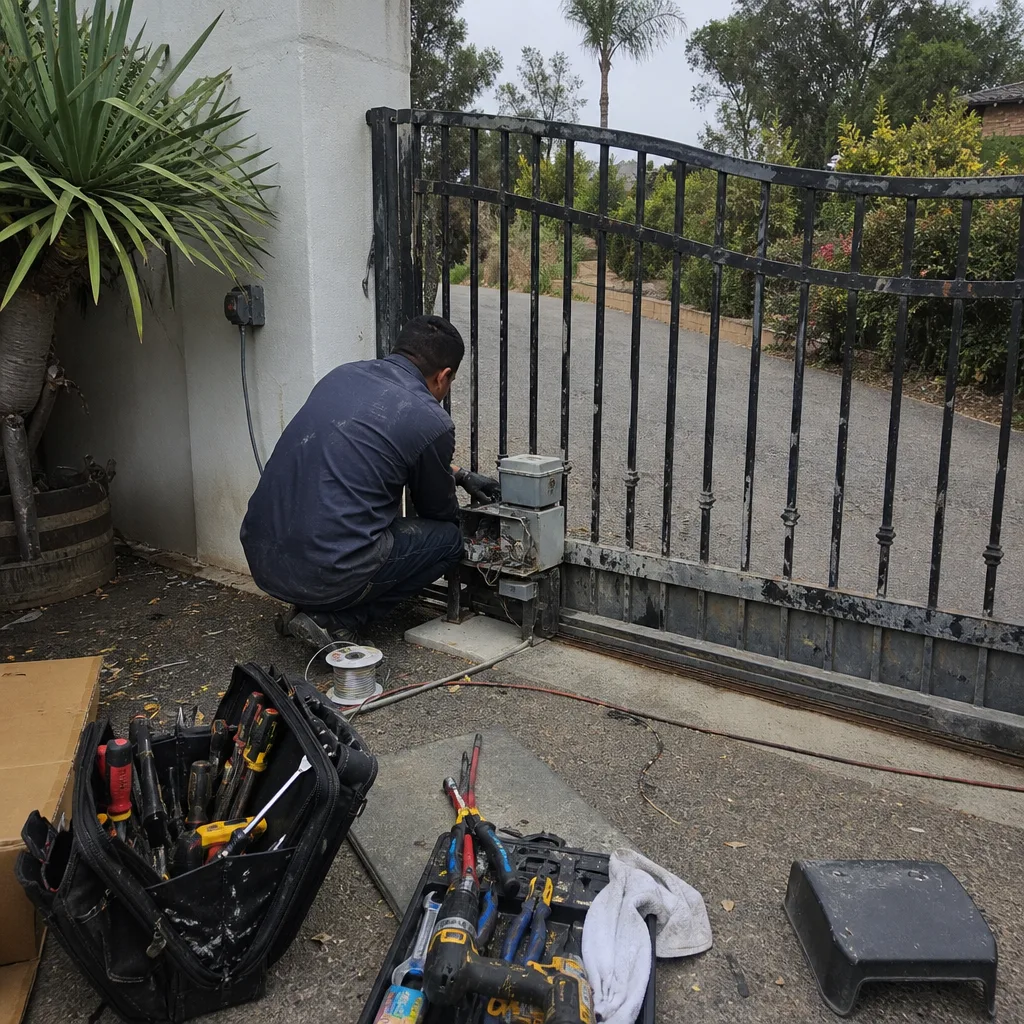 Before
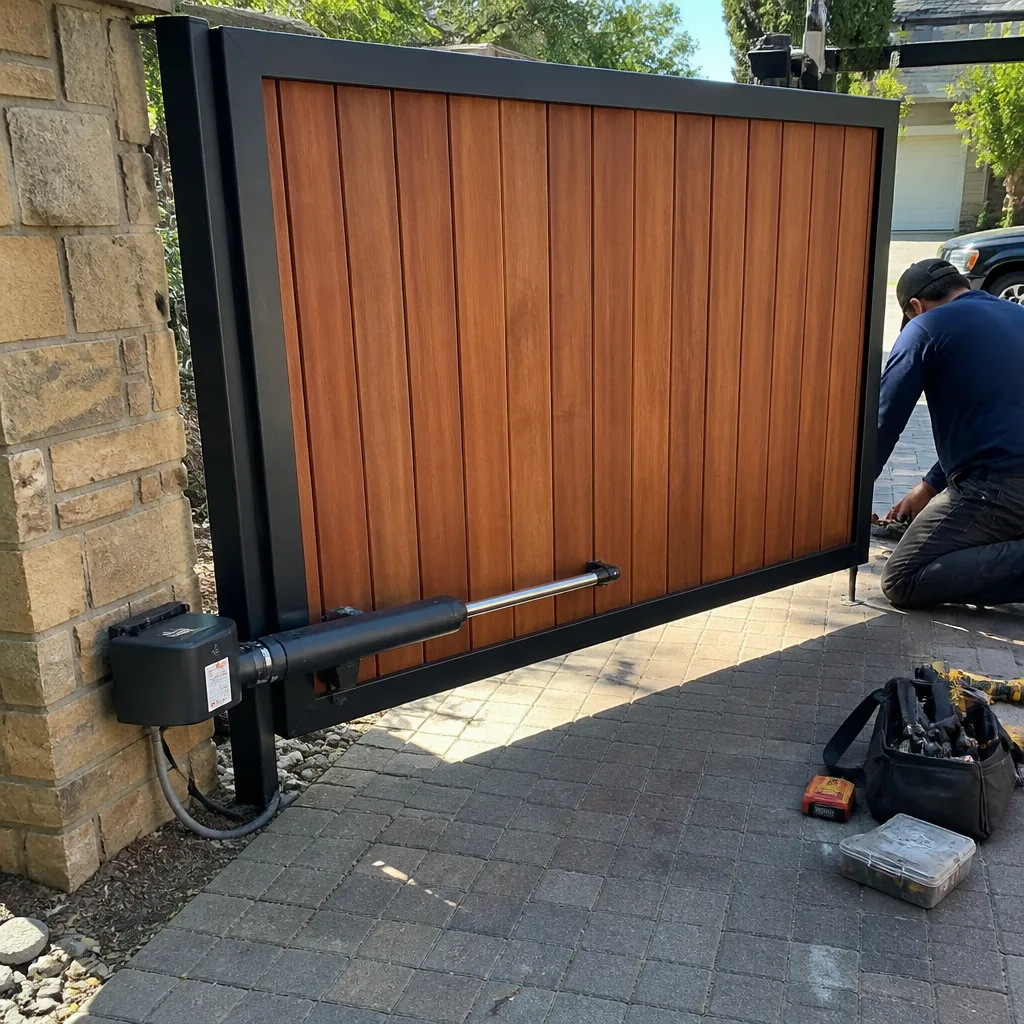 After
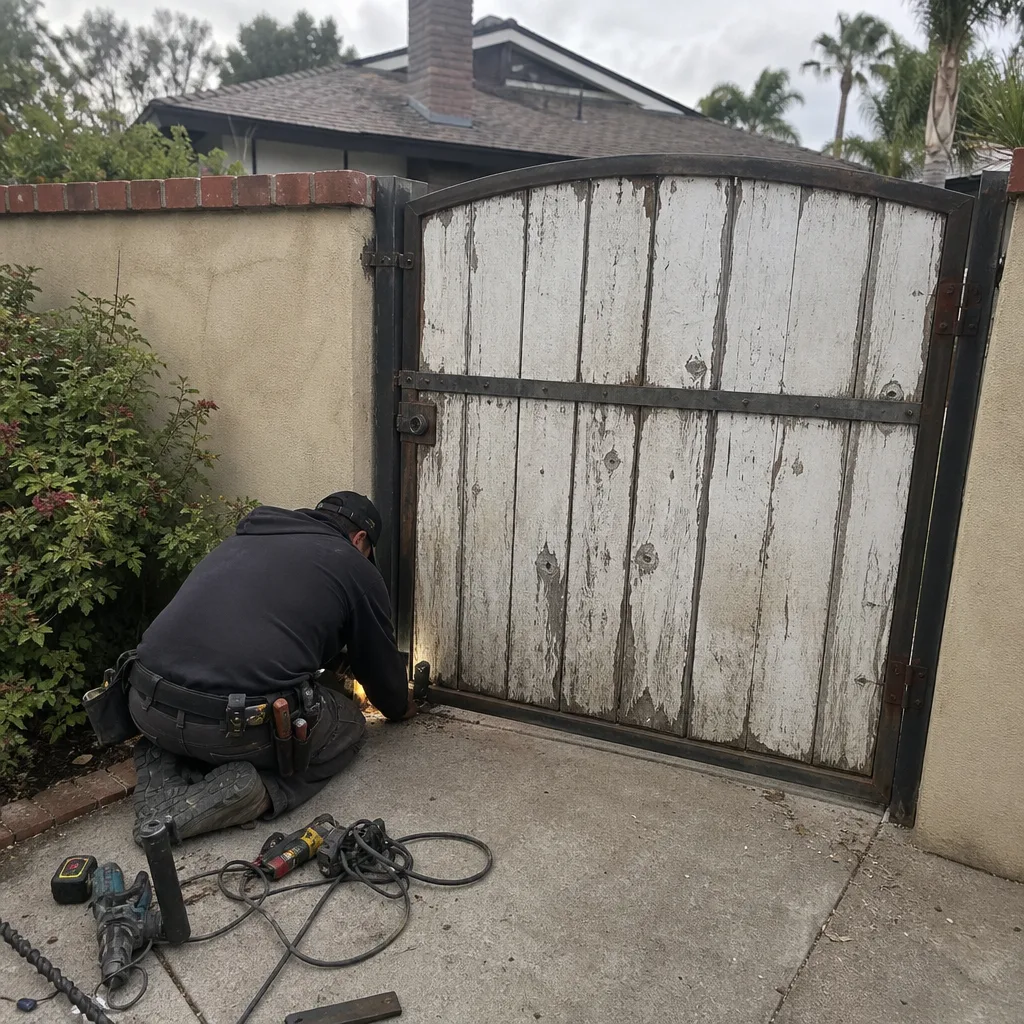 Before
 After
 Before
 After